2025 BIM The Future Of Digital Construction
With enthusiasm, let’s navigate through the intriguing topic related to 2025 BIM: The Future of Digital Construction. Let’s weave interesting information and offer fresh perspectives to the readers.


Building Information Modeling (BIM) has revolutionized the construction industry, enabling architects, engineers, and contractors to collaborate and visualize building projects in a virtual environment. As technology advances, BIM is poised to transform the industry even further in the coming years. This article explores the future of BIM and its potential impact on the construction sector by 2025.
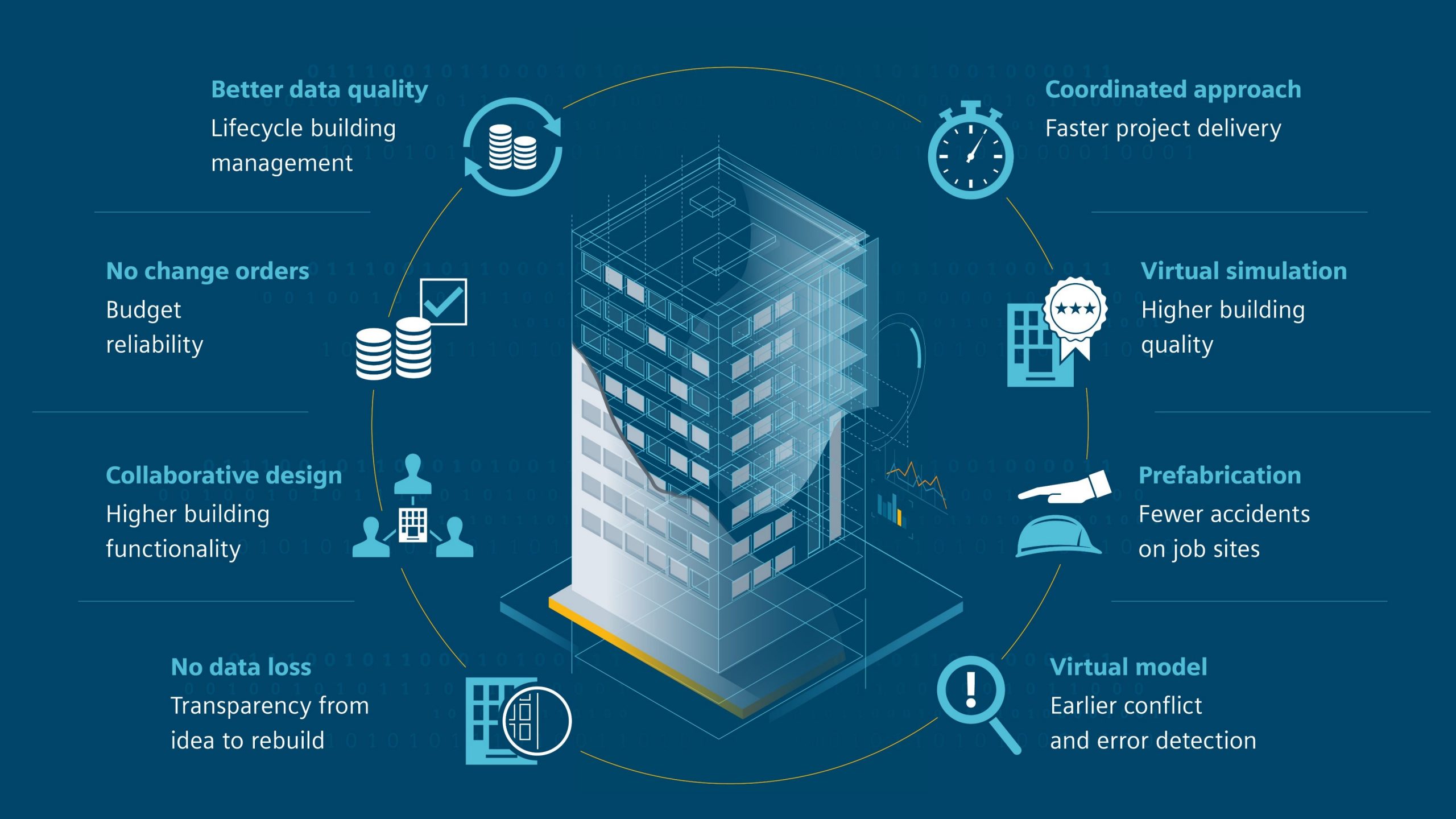
The advent of cloud computing, artificial intelligence (AI), and virtual reality (VR) will significantly enhance BIM capabilities. Cloud-based platforms will allow teams to access and share project data from anywhere, improving collaboration and reducing project timelines. AI algorithms will automate tasks such as clash detection and design optimization, freeing up professionals to focus on higher-value activities. VR headsets will provide immersive experiences, enabling stakeholders to visualize and interact with building models as if they were physically present.

BIM will become increasingly integrated with other technologies, such as Geographic Information Systems (GIS) and Internet of Things (IoT) devices. GIS data will provide context for projects, helping planners to understand the surrounding environment and make informed decisions. IoT sensors embedded in buildings will collect real-time data on performance, occupancy, and environmental conditions, enabling predictive maintenance and optimized building operations.
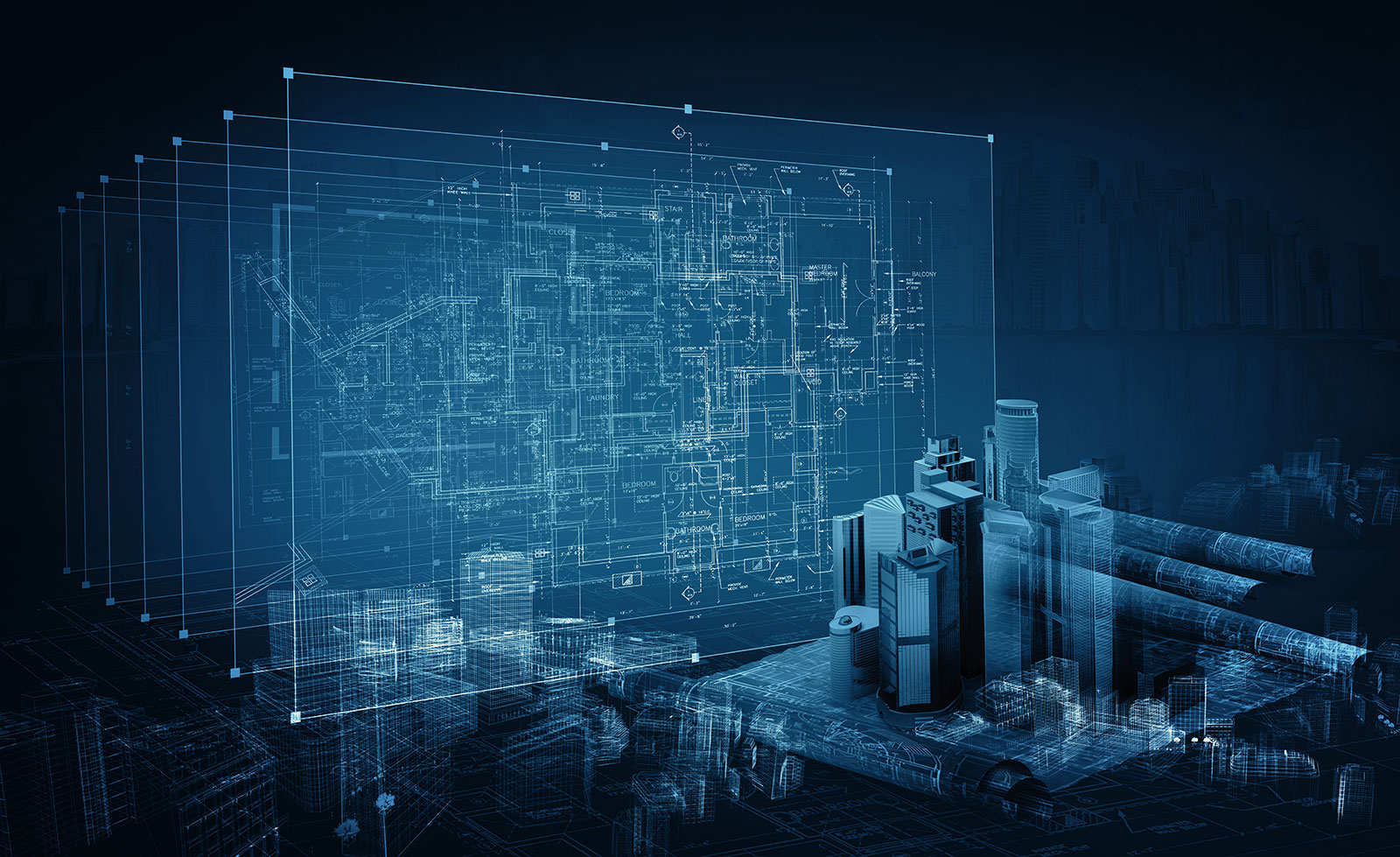
Collaboration and data sharing will be key to unlocking the full potential of BIM in 2025. Open standards and interoperable software will facilitate seamless data exchange between different stakeholders, ensuring that all project information is up-to-date and accessible. Blockchain technology can also enhance data security and trust, providing a transparent and immutable record of project activities.

BIM will play a crucial role in promoting sustainability in the construction industry. By incorporating environmental data into building models, architects and engineers can design buildings that minimize energy consumption, water usage, and carbon emissions. BIM can also be used to track and monitor building performance, ensuring that sustainability goals are met throughout the project lifecycle.

As BIM becomes more sophisticated, the demand for skilled professionals will increase. Architects, engineers, and contractors will need to develop expertise in BIM technology and its applications. Educational institutions and professional organizations will play a vital role in training the next generation of BIM professionals.
2025 BIM holds the promise of transforming the construction industry by enhancing collaboration, optimizing design, and promoting sustainability. Advancements in technology, data sharing, and skilled workforce development will drive the adoption of BIM in the coming years. By embracing these advancements, the industry can unlock the full potential of BIM and create a more efficient, sustainable, and innovative built environment.

Thus, we hope this article has provided valuable insights into 2025 BIM: The Future of Digital Construction. We hope you find this article informative and beneficial. See you in our next article!